Foldable Smartphones in 2026: Have They Become a Practical Choice Rather Than Just an Expensive Experiment?
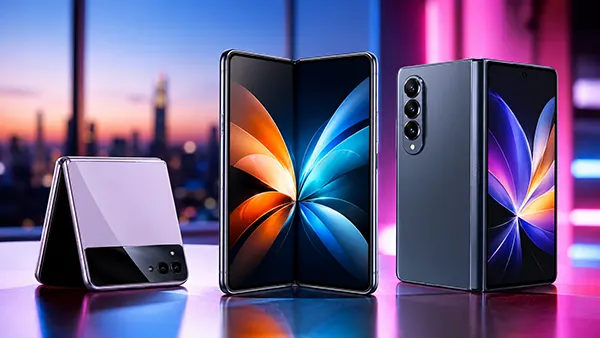
Foldable smartphones have been one of the most discussed categories in consumer technology for several years. Early models attracted attention because of their unusual designs, but high prices, fragile displays and concerns about durability prevented many buyers from considering them as daily devices. By 2026, the situation has changed considerably. Manufacturers such as Samsung, Google, HONOR, Huawei, Motorola and several Chinese brands have introduced multiple generations of foldable devices, refining both hardware and software. The key question is no longer whether foldable phones work, but whether they offer enough practical advantages to justify their place in the mainstream smartphone market.
How Foldable Smartphones Have Evolved by 2026
The first generations of foldable smartphones were often criticised for visible display creases, limited durability and premium pricing. Over the past few years, manufacturers have invested heavily in hinge engineering, stronger flexible OLED panels and improved protective layers. Modern foldable devices can withstand hundreds of thousands of folding cycles, making them suitable for everyday use rather than occasional demonstrations of new technology.
Display quality has also improved significantly. Many foldable smartphones now feature brightness levels exceeding those found on conventional flagship devices, making them easier to use outdoors. Colour accuracy, refresh rates and touch responsiveness have reached the same standard expected from premium smartphones, reducing the compromises that previously discouraged potential buyers.
Software optimisation has become equally important. Android and manufacturer-specific interfaces now support multitasking, app continuity and split-screen workflows much more effectively. Users can move seamlessly between the cover display and the larger internal screen, creating a more natural experience that takes advantage of the folding design rather than treating it as a novelty.
Durability Improvements That Changed Consumer Perception
One of the biggest concerns surrounding foldable devices was long-term reliability. In 2026, flagship foldables commonly include stronger hinge mechanisms designed to minimise dust intrusion and mechanical wear. Several models also offer improved water resistance ratings, bringing them closer to traditional flagship smartphones.
Flexible displays remain more complex than conventional screens, but material science has progressed rapidly. Ultra-thin glass layers have become more resilient, while protective coatings help reduce the appearance of scratches caused by daily use. Although careful handling is still advisable, foldables are no longer viewed as excessively delicate devices.
Consumer confidence has increased as manufacturers have accumulated years of real-world usage data. Extended warranty programmes, repair networks and more accessible replacement parts have reduced ownership concerns and made foldable devices a more realistic option for ordinary users.
Practical Advantages of Foldable Phones in Everyday Use
The main strength of a foldable smartphone is its ability to combine portability with a larger display area. A device that fits comfortably into a pocket can unfold into a screen suitable for reading documents, editing spreadsheets, watching videos or managing multiple applications simultaneously. This flexibility appeals to professionals, students and frequent travellers alike.
Multitasking capabilities have become one of the most compelling reasons to choose a foldable device. Users can view email alongside a calendar, participate in video meetings while taking notes, or compare information from multiple applications without constantly switching between windows. Such workflows are difficult to replicate on traditional smartphones.
Content consumption also benefits from larger displays. Streaming services, gaming applications and digital publications often feel more immersive on foldable devices. While tablets still offer larger screens, foldables provide many of these advantages without requiring users to carry an additional device.
Who Benefits Most from Foldable Smartphones?
Business users are among the groups that gain the most value from foldable devices. The larger screen area allows more efficient document review, presentation preparation and communication management while remaining highly portable during travel.
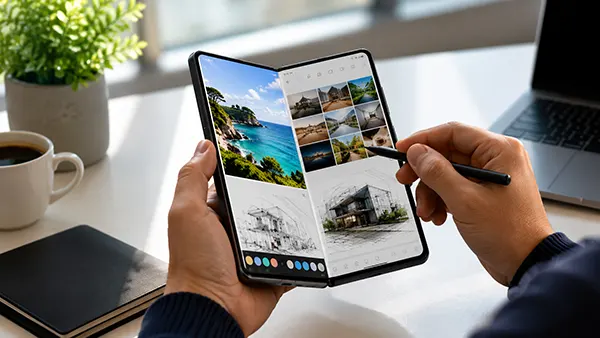
Creative professionals can also benefit from foldables. Photographers, designers and content creators often appreciate the ability to preview images, edit content and manage projects on a larger display without carrying separate equipment. Some devices additionally support stylus functionality, expanding their usefulness.
For casual users, the benefits depend on individual habits. People who primarily use messaging applications and social media may not experience a dramatic difference compared with a conventional flagship phone. However, users who frequently read, watch videos or multitask may find foldables significantly more convenient.
Are Foldable Smartphones Worth Buying in 2026?
The value proposition of foldable smartphones has improved substantially because prices have become more competitive. Although premium foldables remain expensive compared with standard smartphones, several manufacturers now offer more affordable models that bring folding technology to a wider audience. This increased competition has helped narrow the price gap.
Battery life, once considered a weakness, has also improved. More efficient processors and larger battery capacities allow many foldable devices to last a full day under typical usage conditions. Combined with fast charging technologies, this removes another barrier that previously limited adoption.
Market maturity is perhaps the strongest indication that foldables are becoming mainstream. Manufacturers continue expanding their product ranges, developers increasingly optimise applications for large flexible displays and consumers have become more familiar with the technology. These factors suggest that foldables are no longer experimental products aimed only at technology enthusiasts.
The Future Outlook for Foldable Devices
Industry analysts expect foldable technology to continue evolving throughout the second half of the decade. Improvements in component manufacturing may reduce production costs further, making foldable devices accessible to a broader range of consumers.
New form factors are also emerging. Manufacturers are experimenting with rollable displays, tri-fold designs and hybrid devices that blur the boundaries between smartphones, tablets and lightweight productivity tools. These innovations could expand the practical applications of flexible display technology.
In 2026, foldable smartphones can no longer be dismissed as expensive experiments. While they may not be the ideal choice for every buyer, they have reached a level of durability, functionality and software maturity that makes them a genuinely practical option. For users seeking a balance between portability and productivity, foldables have become one of the most interesting categories in the modern smartphone market.