Rugged Smartphones for Work: Security Chips, Biometrics and Isolated Data Storage
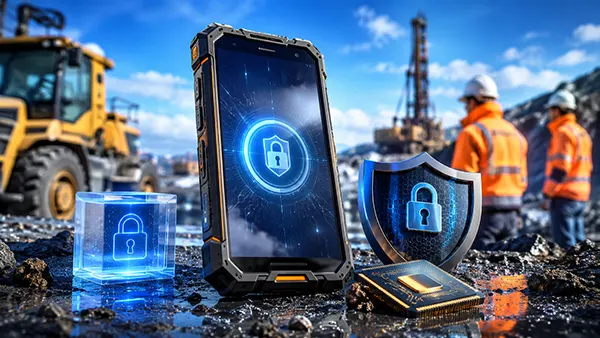
Modern industries rely on mobile devices more heavily than ever before. Engineers, logistics coordinators, emergency responders, construction managers and field technicians routinely access confidential documents, customer databases and internal systems directly from smartphones. In 2026, rugged smartphones are no longer designed solely to survive drops, dust or water exposure. They are increasingly built around advanced security architecture that protects corporate information against cyberattacks, device theft and unauthorised access. Manufacturers now combine dedicated security chips, biometric authentication and isolated storage environments to create smartphones capable of operating safely in high-risk working conditions.
Why Rugged Smartphones Have Become a Security Priority for Businesses
Businesses operating in transport, healthcare, manufacturing, energy and defence sectors face growing pressure to secure mobile communications outside traditional office environments. Employees often work remotely while accessing sensitive operational systems, cloud services and customer records. A compromised smartphone can expose confidential company data, disrupt operations and create financial or legal risks. Rugged smartphones designed for enterprise use increasingly include hardware-level protection mechanisms that standard consumer devices may not provide.
Cybersecurity threats targeting mobile devices have become more sophisticated in recent years. Malware capable of intercepting messages, extracting authentication tokens or recording user activity is now frequently aimed at mobile operating systems. For this reason, enterprise-grade rugged devices integrate secure boot systems, encrypted memory controllers and tamper-resistant hardware modules that help prevent malicious software from modifying critical system components.
Another important factor is the physical nature of fieldwork. Devices used on construction sites, in warehouses or by emergency services are exposed to dust, moisture, extreme temperatures and accidental impacts. A damaged smartphone may become vulnerable if its storage system or authentication components fail. Rugged models certified under standards such as IP68, IP69K and MIL-STD-810H are engineered not only for durability but also for maintaining data protection even after physical stress.
Industries That Depend on Secure Rugged Devices
Healthcare organisations increasingly deploy rugged smartphones for hospital logistics, ambulance coordination and remote diagnostics. These devices often store or transmit medical information protected by strict privacy regulations. Secure enclaves and biometric authentication reduce the risk of unauthorised access when staff members share equipment during long shifts or emergency situations.
Industrial and energy companies also rely heavily on secure mobile hardware. Field engineers working at power plants, oil facilities or renewable energy sites frequently use rugged smartphones to access maintenance records, inspection software and infrastructure control systems. In these environments, isolated storage systems help prevent sensitive operational data from being exposed if a device is lost or stolen.
Government agencies, border control services and defence contractors represent another major segment. Many of these organisations require devices with hardware-backed encryption, advanced authentication and resistance against physical tampering. Some rugged smartphones released in 2025 and 2026 include dedicated government-grade security modes that disable external debugging interfaces and restrict data transfers through USB connections.
Security Chips and Hardware-Based Protection in Modern Smartphones
Dedicated security chips have become one of the most important features in enterprise smartphones. These components operate independently from the main processor and manage sensitive tasks such as encryption, biometric verification and secure key storage. Apple’s Secure Enclave, Samsung Knox Vault and Google’s Titan M2 architecture are among the most recognised examples currently used in professional mobile devices.
Hardware-backed encryption significantly improves resistance against cyberattacks compared to software-only protection. Encryption keys generated inside a secure chip cannot easily be extracted, even if attackers gain access to the operating system. This approach limits the effectiveness of many malware techniques aimed at intercepting passwords or decrypting stored information.
Another important capability involves verified boot mechanisms. During startup, the smartphone checks whether the operating system has been modified or corrupted. If unauthorised changes are detected, the device can block access or restore a verified system image. In enterprise environments, this reduces the likelihood of compromised devices silently operating within internal corporate networks.
How Isolated Storage Improves Data Protection
Isolated data storage environments separate sensitive information from the main operating system. This architecture reduces the risk of data exposure if applications become compromised. Enterprise smartphones released in 2026 increasingly use virtualised workspaces or encrypted containers where corporate files remain separated from personal applications and user activity.
Samsung Knox Workspace, Android Enterprise profiles and proprietary secure container technologies are widely used by organisations that support bring-your-own-device policies. Employees may use a single smartphone for personal and professional purposes while maintaining strict separation between work files and private applications. Administrators can remotely wipe business information without affecting personal content stored on the device.
Some rugged smartphones now integrate self-destruct security responses for highly sensitive sectors. If repeated unauthorised access attempts occur, encryption keys may automatically erase themselves, rendering stored data inaccessible. Although such measures are mainly used by government or defence organisations, similar technologies are gradually appearing in commercial enterprise hardware.
Biometric Authentication and the Future of Mobile Workplace Security
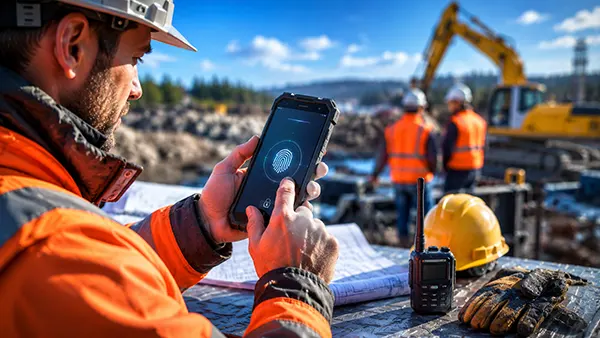
Biometric authentication has evolved considerably beyond simple fingerprint scanners. In 2026, many rugged smartphones combine multiple biometric systems including ultrasonic fingerprint readers, facial recognition and behavioural authentication. These technologies provide stronger protection while reducing reliance on passwords that employees may forget, reuse or store insecurely.
Ultrasonic fingerprint sensors are particularly valuable for industrial environments because they continue functioning with wet or dirty hands more effectively than older optical systems. Workers wearing protective equipment or operating outdoors can unlock devices quickly without compromising security. High-end rugged smartphones also include sensors designed to function while users wear thin work gloves.
Facial recognition systems have improved substantially due to infrared depth mapping and AI-assisted verification. Enterprise-focused devices increasingly combine facial authentication with liveness detection to reduce spoofing attempts using photographs or video recordings. Multi-factor biometric systems are becoming common in industries handling financial records, healthcare data or confidential infrastructure information.
What Businesses Should Consider Before Deploying Secure Smartphones
Companies selecting rugged smartphones should evaluate more than physical durability alone. Long-term software support is critical because security vulnerabilities frequently emerge after release. Devices with guaranteed operating system updates and extended security patch programmes offer stronger protection over their operational lifespan. In 2026, several enterprise manufacturers now provide up to seven years of security maintenance for selected models.
Compatibility with mobile device management systems is equally important. Businesses need the ability to enforce password policies, remotely lock devices, configure encrypted workspaces and monitor suspicious activity. Smartphones designed for enterprise deployment typically support advanced management frameworks that simplify administration across large fleets of devices.
Battery reliability, offline functionality and repairability also influence long-term operational security. A smartphone that fails during critical work operations may force employees to bypass security procedures or rely on unsecured alternatives. Rugged enterprise devices increasingly feature replaceable batteries, reinforced ports and modular repair options that reduce downtime while maintaining secure functionality in demanding working conditions.