
On-Device AI in Casino Experience: What Your Smartphone and PC Can Actually Do Without the Cloud
Artificial intelligence is now part of most online casino services, but not every function depends on remote servers. In 2026, many tasks are handled directly on your smartphone or computer. This means your device can analyse behaviour, adjust the interface, and improve security without constantly sending data elsewhere. For players, this affects how quickly games load, how удобно everything feels, and how much personal data stays private.
How Local AI Works in Casino Apps
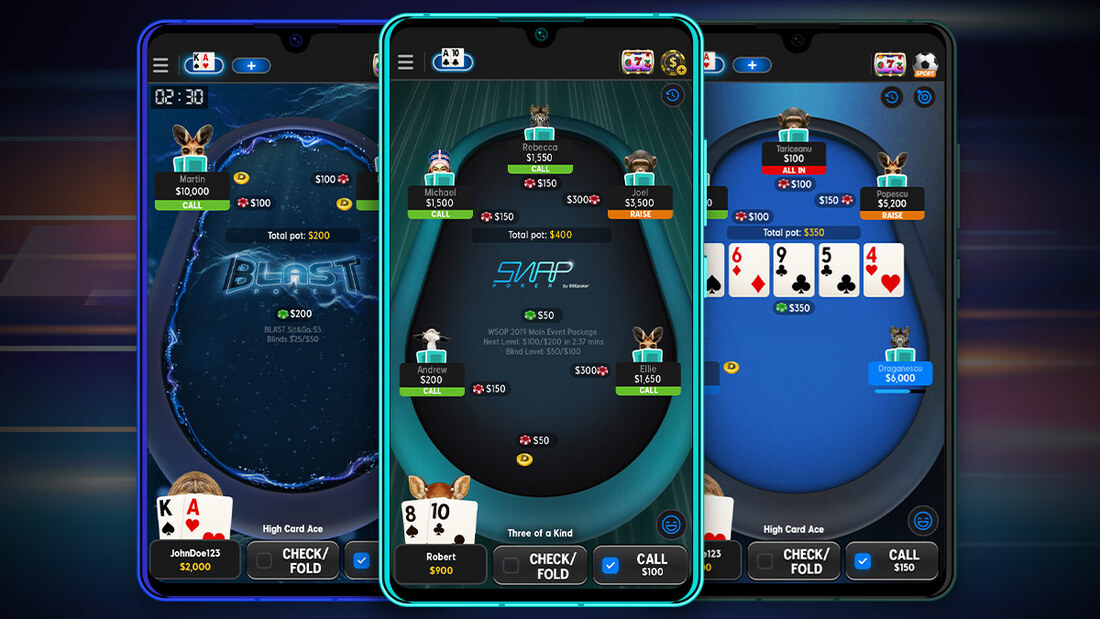
Modern smartphones include built-in AI processors that analyse user behaviour in real time. They can track which games you open more often, how long sessions last, and how you interact with menus. Based on this, the interface can rearrange sections or highlight relevant games without waiting for external processing.
On computers, similar tasks are handled by processors and graphics cards. Even standard systems can run simple AI models that improve navigation and reduce delays. For example, menus may open faster, and recently used categories can appear first, making navigation more direct during gameplay.
On computers, the situation is similar. Graphics cards and processors can run lightweight AI models that track user behaviour in real time. When a player navigates between slots, live games, and bonus sections in an online casino, the interface can adjust to frequent actions and simplify access. This can be observed during normal gameplay when visiting Nolimit Way and switching between different sections of the site.
What This Means for Everyday Players
The most noticeable effect is personalisation. Instead of a static interface, players see content that reflects their habits. Favourite games become easier to find, and less relevant options move into the background. This happens instantly because everything is processed on the device.
Another benefit is basic player protection. Local AI can detect unusual behaviour, for example longer sessions than usual or rapid changes in activity. In such cases, the system may suggest taking a break or adjusting limits, without sharing this data externally.
Performance also improves. If a device starts slowing down, AI can reduce background load or optimise how content is displayed. This helps maintain a stable experience even when hardware is not powerful.

Where On-Device AI Still Has Limits
Local AI cannot handle everything. More complex features, including multiplayer systems or large-scale analytics, still depend on external servers. The device focuses mainly on personal interaction rather than overall system logic.
Battery and resource usage are also important. Running AI locally can increase energy consumption, especially on smartphones. Developers try to minimise this by using simplified models, but some limitations remain.
Another issue is consistency between devices. If a player uses both a phone and a computer, each device learns behaviour separately. Without synchronisation, preferences may not transfer automatically.
Why This Approach Matters for Privacy
One of the key advantages of on-device AI is reduced data transfer. Personal behaviour stays on the device instead of being constantly sent to external systems. This lowers risks related to data leaks and tracking.
However, security now depends more on the device itself. Keeping software updated and using secure connections becomes essential, since protection is handled locally.
Overall, on-device AI makes casino experiences faster and more private. It does not replace server-based systems, but it changes how much of the interaction happens directly on your device, giving players more control over their data and gameplay.